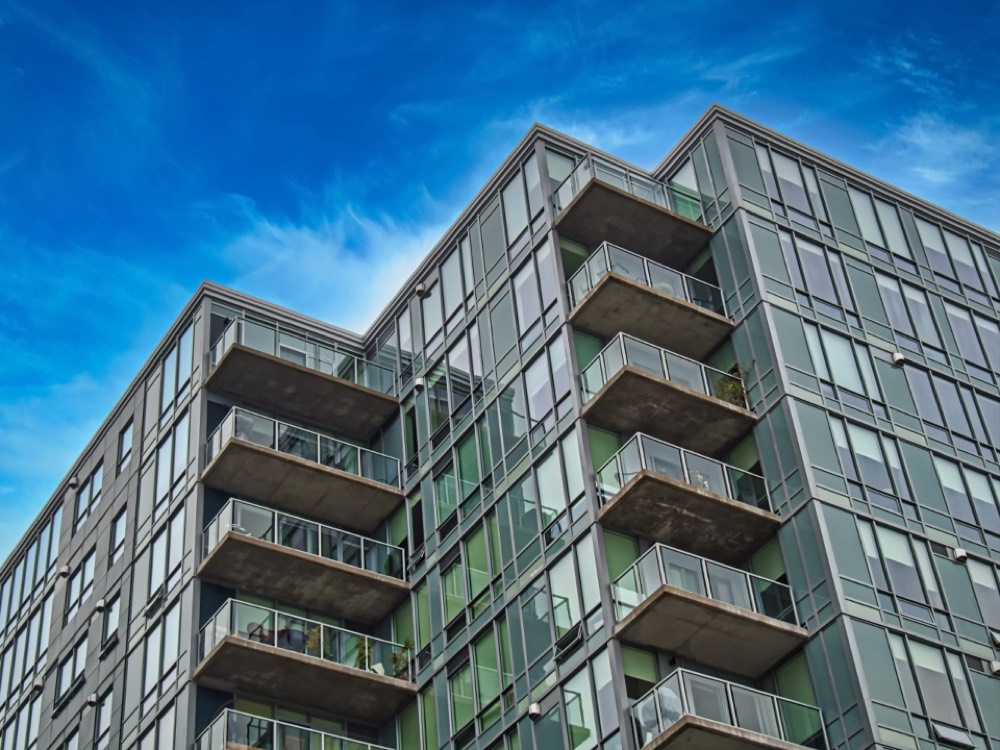
California condos bring their own checks: association reserves and inspections, earthquake exposure and whether the building is warrantable for Fannie Mae, Freddie Mac or FHA.
What is different in California
- State law requires periodic inspections of balconies and other elevated exterior elements in buildings with three or more units, and repairs found can lead to special assessments.
- Associations must disclose their reserves; low reserves or pending litigation are common reasons a building is non-warrantable.
- Master insurance policies have grown costly or hard to place in some areas, which can affect both dues and financing.
- Earthquake coverage is optional for most owners but some associations carry it, which shows up in the dues.
Questions
Is it hard to get a condo loan in California?
Not for a warrantable building with healthy reserves. It gets harder with litigation, low reserves, a single owner holding many units or large commercial space, which is when portfolio and non-QM lenders come in.
Do California condos need FHA approval?
For an FHA loan, yes: either the whole project or a single-unit approval. Many buildings have let approval lapse, so check before you write an offer.
What does the balcony inspection law mean for buyers?
Buildings must inspect elevated exterior elements on a schedule. Ask whether the inspection is done and whether repairs or an assessment are pending, since lenders and buyers will both want to know.
Related
- Condo financing
- Warrantable vs non-warrantable condos
- Mortgage reserves calculator
- Mortgage payment calculator
Condo financing in other states: Florida. All of California: mortgage loans in California.